Assessment with purpose
Psychological tools are used to create insight, not to reduce people to labels or boxes.
Ethos Psychology is built around the idea that understanding ourselves can be deeply empowering. Martina's approach centers on calm guidance, meaningful reflection, and practical education that helps clients make sense of what they are carrying.
Meet Martina
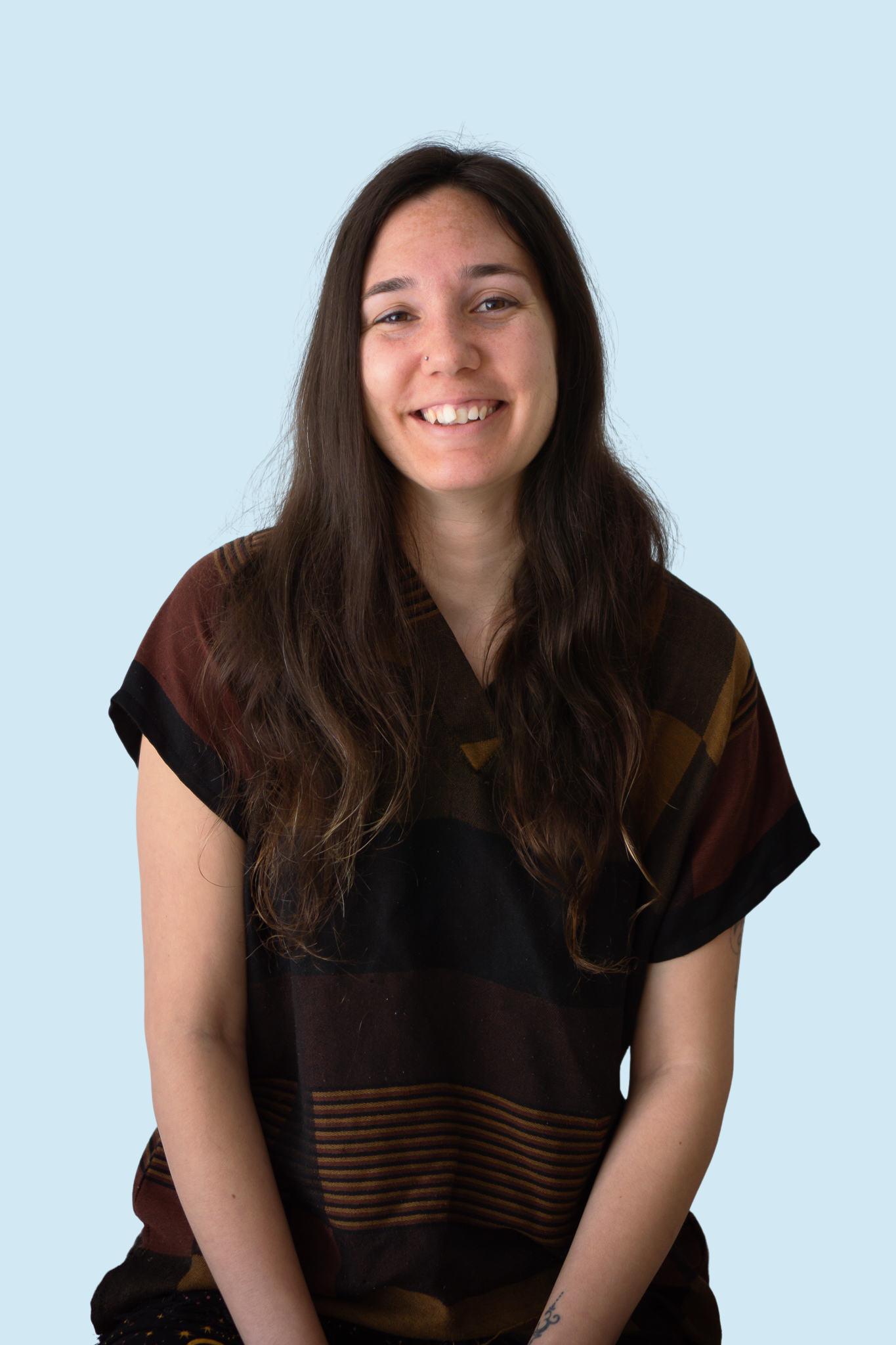
From early on in her studies, Martina found herself naturally drawn to psychological assessment. She has always been fascinated by how things work, and that curiosity became a strong foundation for understanding strengths, patterns, and the many ways people experience the world.
As her training progressed, assessments became more than academic exercises. They became valuable tools for insight, direction, and positive change that could help people make sense of what they were navigating.
Today, Martina offers a small but steadily growing range of assessments to help people gain clarity and move toward their goals. She also brings neurofeedback training into the wider Ethos offering, supporting regulation, attention, and cognitive wellbeing with practical, person-centered care.
"They said, 'Don't put people in boxes.' I said, 'Bet.'"
Ma te kimi ka kite
Seek and you will find.
Ethos is committed to making psychological tools and knowledge accessible to the wider community. People should have the opportunity to support themselves and those around them, and access to clear, reliable information plays a key role in that process.
When communities are equipped with greater understanding and practical skills, outcomes improve. Empowering people with knowledge not only strengthens individual wellbeing, it also helps create a more supportive environment for everyone.
The more knowledge and skills we can have in the community, the better outcomes we will see.
Psychological tools are used to create insight, not to reduce people to labels or boxes.
Understanding emotional patterns can reduce shame and create more room for choice.
Support is most powerful when people can carry new knowledge into family life, work, study, and daily routines.
The fingerprint symbol reflects the uniqueness of each person and the layered waves they move through.
Assessment can highlight strengths, patterns, and areas of difficulty so clients have a clearer picture of what is happening.
Neurofeedback can become part of a broader plan to strengthen focus, support emotional regulation, and reduce the strain of dysregulation.
When people gain useful tools and reliable knowledge, that growth extends outward into family, workplaces, and the wider community.